Regular home maintenance is one of the smartest financial decisions a homeowner can make. When a house is well-maintained, small issues are addressed early, safety hazards are minimized, and systems last longer. Ignoring maintenance might not seem like a big deal at first, but over time, minor problems can turn into major damage that costs thousands of dollars to fix.
This guide breaks down ten critical maintenance tasks every homeowner should prioritize. Each section not only explains why the task matters but also provides practical steps you can take right away. These are real, tangible actions that protect your home, your budget, and your peace of mind.
1. Schedule Regular Wastewater System Checks
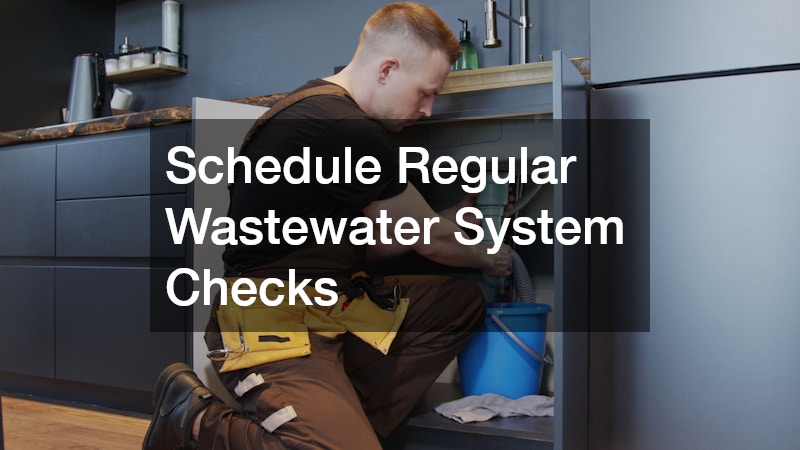
A well-functioning wastewater system is essential for a healthy and comfortable home environment, and staying proactive with maintenance can help you avoid disastrous and expensive failures. Backups, foul odors, soggy yards, and contamination risks typically stem from neglect, making routine attention incredibly important.
The most effective way to avoid major problems is to have your system professionally inspected every one to three years. A specialist can identify subtle signs of wear, clogged components, or tank overflows before they become emergencies. Additionally, homeowners should keep the area around their system free from heavy vehicles, deep-rooted trees, and excess water runoff. These factors often cause unintentional damage, misalignment, or soil compaction around the system.
You can also protect the system by being mindful of what goes down drains. Avoid flushing sanitary products, grease, oils, or household chemicals. These clog and degrade the internal components, making the system work much harder than necessary. With consistent attention and timely septic service, your system will last significantly longer and function more efficiently.
2. Maintain Kitchen Surfaces, Fixtures, and Appliances
Kitchens are high-traffic areas with constant wear, moisture, and heat fluctuations. Many homeowners wait until deterioration becomes severe before taking action, but small maintenance tasks can prevent the need for a full kitchen remodel long before it becomes unavoidable.
Start by keeping all surfaces sealed and cleaned regularly. Countertops, especially stone, should be resealed as recommended to prevent staining and cracking. Cabinet hinges and drawer slides should be lubricated periodically to prevent misalignment. Check appliances for worn gaskets, loose connections, or unusual noises, which can signal early failure.
Maintaining proper ventilation is another critical step. Your range hood filter should be cleaned at least monthly to remove grease buildup. Without regular upkeep, appliances begin to work harder, energy bills rise, and long-term damage accumulates. If you’re unsure how to optimize the space for better airflow, storage, and functionality, a kitchen designer can provide insights that help prolong your fixtures’ and appliances’ lifespan.
3. Clear Slow Drains and Prevent Clogs
Slow drains are one of the earliest indicators that something deeper in your plumbing system needs attention. Homeowners often ignore minor drainage issues until they escalate into messy backups or burst pipes. Routine drain cleaning helps remove buildup that forms from soap scum, hair, grease, and mineral deposits.
Start with preventive habits. Use mesh drain guards in bathrooms and kitchen sinks, and flush drains monthly with hot water followed by a mild cleaning solution. Avoid chemical cleaners that can corrode pipes over time. If you notice recurring slowdowns, schedule a professional inspection rather than continuing to rely on temporary fixes.
Regular maintenance preserves your plumbing system and prevents water-related damage that can spread beyond the pipes. Catching problems early also helps reduce the risk of mold growth, wall damage, and expensive emergency calls.

4. Test and Maintain Water Treatment Systems
Mineral-heavy water contributes to long-term damage in pipes, fixtures, and appliances. Over time, limescale buildup can reduce water flow, shorten the lifespan of water heaters, and increase utility bills. Homeowners who rely on treatment systems need to perform frequent checks to ensure everything functions correctly.
If your home uses a treatment system, such as one installed during a water softener install, make sure the brine tank is filled properly and inspect for salt bridges that prevent regeneration. Clean the system’s resin bed as recommended by the manufacturer to keep it working efficiently.
Additionally, monitor water quality for changes in taste, clarity, or hardness. These shifts may indicate it’s time for a service call. Maintaining your water treatment system ensures better water flow, reduces strain on plumbing lines, and improves the efficiency of other water-dependent appliances in your home.
5. Inspect Electrical Components and Wiring
Electrical issues can quickly lead to dangerous situations if not addressed promptly. Faulty wiring, outdated panels, and overloaded circuits are common causes of fires and expensive system failures. Routine inspections of your electrical components are essential to avoid hazards.
Begin by testing outlets, checking for warm faceplates, flickering lights, buzzing sounds, or frequently tripped breakers. These are all early warning signs of electrical issues. If you notice any unusual activity, an experienced local electrician should assess the situation immediately.
Perform visual checks on visible wiring in basements, attics, and garages to identify frayed sections or moisture exposure. Regular upkeep and timely electrical repair help extend the lifespan of your home’s electrical system and reduce the likelihood of emergency interventions.
6. Keep Roofing Materials in Excellent Condition
Roof maintenance is vital to preventing costly water intrusions, interior damage, and structural deterioration. Homeowners often don’t realize their roof is compromised until leaks appear. By then, damage beneath the surface is usually extensive.
Schedule annual roof inspections, especially after severe weather. Professionals such as roofers can identify curling shingles, cracked flashing, soft spots, or blocked gutters that may compromise the structure. Clean gutters at least twice a year to prevent water from backing up under shingles and seeping into the home.
Inside the attic, look for signs of moisture, thin insulation, mold, or daylight coming through gaps. Addressing minor roofing issues early prevents extensive repairs like replacing structural beams, ceilings, insulation, and drywall.
7. Review All Plumbing Connections and Fixtures
Water damage is one of the most expensive problems homeowners encounter, and it often results from small leaks that go unnoticed. To protect your home, create a routine schedule for reviewing plumbing lines, fixtures, and appliances.
Check beneath sinks, behind toilets, and around the water heater for moisture or discoloration. Fluctuating water pressure, inconsistent temperatures, or unusual noises from pipes can indicate an issue developing within the system. If you’re unsure how to diagnose the problem, a plumbing company can help identify leaks, corrosion, or partial blockages before they escalate.
Additionally, replace worn hoses on washing machines and dishwashers every few years. These parts are inexpensive compared to the damage they can cause if they burst unexpectedly.
8. Refresh or Repair Sun-Exposed Windows and Glass
Prolonged sunlight exposure can have a significant impact on your home, leading to fading, warping, and unnecessary energy loss. Windows that lack proper protection allow heat to penetrate during the warmer months and escape during colder seasons, which places extra strain on your heating and cooling systems and drives up energy bills. Over time, UV rays can also damage flooring, furniture, and window treatments, gradually diminishing the aesthetic appeal and functionality of your living spaces.
To protect your home, it’s essential to examine your windows at least once a year. Check for gaps in caulking, deteriorated or missing weatherstripping, and condensation between panes, which can indicate seal failure. Even small cracks or worn seals can compromise energy efficiency and allow moisture to enter, potentially leading to mold or water damage. Additionally, look for signs of fading or discoloration on furniture, carpets, or flooring near windows, as this is often an early warning that UV exposure is excessive.
Upgrades can make a big difference in both comfort and long-term maintenance. A window tinting company can professionally apply protective films that reduce UV penetration, lower glare, and improve insulation, helping to maintain a stable indoor temperature and protect interior surfaces. Regular cleaning, sealing, and inspection of windows not only enhance their performance but also extend their lifespan. By taking these proactive steps, you can prevent costly replacements, improve energy efficiency, and preserve the appearance and functionality of your home for years to come.
9. Clean and Service HVAC Components
Your heating and cooling system requires constant care to operate efficiently and reliably. HVAC units are among the most critical systems in a home, regulating indoor temperature, humidity, and air quality. When components are neglected, even minor issues like dirty filters or blocked vents can escalate, forcing the system to work harder, increasing energy consumption, and shortening the lifespan of the equipment. Over time, these small problems can lead to major failures that are both disruptive and costly to repair.
One of the simplest yet most effective maintenance tasks is replacing or cleaning air filters regularly. Depending on usage and indoor air quality, filters should be changed every one to three months. Clogged filters reduce airflow, strain the system, and allow dust and allergens to circulate, which can affect both comfort and health. In addition, keeping outdoor condenser units clear of debris, leaves, and vegetation ensures proper airflow and prevents the compressor from overheating. Inside the home, it’s equally important to make sure vents and registers are unobstructed by furniture, rugs, or storage items, allowing for consistent air distribution and efficient operation.
Scheduling a professional HVAC inspection at least once a year is critical for maintaining system longevity. A licensed technician can detect early signs of wear, such as frayed belts, mold growth, refrigerant leaks, or malfunctioning components. Addressing these issues before they worsen prevents emergency breakdowns, protects the overall system, and can save homeowners thousands of dollars in repairs or early replacement costs. By combining regular at-home upkeep with professional servicing, your HVAC system can operate efficiently, keep energy costs manageable, and provide reliable comfort year-round.

10. Protect Exterior Surfaces and Structures
The exterior of your home is constantly exposed to weather, temperature changes, and environmental damage. Over time, sun, rain, wind, snow, and humidity can all contribute to wear and tear that compromises both the appearance and the structural integrity of your property. Regular upkeep prevents this deterioration from spreading into interior spaces, weakening support structures, or causing costly repairs down the line. Protecting the exterior is not just about curb appeal—it’s about safeguarding your investment and maintaining a safe, comfortable living environment.
Begin with annual inspections of exterior paint, siding, and trim. Look for signs of peeling, cracking, fading, or bubbling paint, which often indicate underlying moisture problems. Repainting or resealing surfaces when these issues appear prevents water from seeping into walls and causing rot or mold growth. A mild pressure wash is an effective way to remove dirt, algae, mildew, and other environmental buildup that can eat away at siding and degrade protective finishes. Pay close attention to areas near gutters, downspouts, and rooflines, where water tends to accumulate.
Decks, fences, and other wooden structures also require routine care. Regularly sealing these surfaces protects them from moisture, UV rays, and insect damage. Inspect for loose boards, rusted nails, wobbly railings, or warped sections. Even minor problems like small cracks or loose fasteners can escalate into major safety hazards or costly replacements if ignored. By addressing these issues promptly and keeping exterior surfaces well-maintained, homeowners can significantly extend the lifespan of their home’s exterior, preserve property value, and avoid expensive, time-consuming repairs in the future.
Preventing expensive home repairs starts with taking small, consistent actions that protect your home’s core systems and structural integrity. From monitoring drainage to caring for roofing and exterior finishes, every task on this list plays a role in minimizing your long-term expenses. With regular attention and timely service, you can extend the life of your home, avoid unexpected emergencies, and maintain a safe, comfortable environment for years to come.
Expanding your maintenance routine to include seasonal inspections, early detection habits, and simple preventative steps can make an enormous difference in how your home ages. Many costly repairs happen not because something suddenly fails, but because months or years of unnoticed wear finally catch up. Walking through your home a few times a year with a checklist helps you stay on top of small changes that may signal a bigger issue. Look for moisture where it shouldn’t be, cracks that seem to grow over time, unusual noises from mechanical systems, or signs of pests. These clues are often the first warnings that something needs attention.
It also helps to keep records of maintenance you complete. Tracking when systems were serviced, cleaned, or repaired allows you to anticipate upcoming needs instead of being surprised by sudden breakdowns. Budgeting for routine care is far easier than paying for emergency fixes, and staying proactive gives you more control over both costs and timing. Over time, these simple habits create a home that stays dependable, efficient, and safer for everyone who lives there.