Discovering pest damage in your home can be stressful, especially when the impact is not immediately visible. Pests often cause damage gradually, weakening materials and creating conditions that worsen over time. What may start as a small issue can quickly grow into a larger problem if it is not addressed promptly and thoroughly. Homeowners may feel unsure where to begin or how serious the damage truly is.
Responding effectively involves more than removing the pests themselves. Damage must be evaluated carefully, safety concerns addressed, and affected areas repaired properly to prevent recurrence. Moisture, structural strain, and hidden entry points often accompany pest activity, making a surface-level response insufficient. A thoughtful response allows homeowners to protect their property, restore structural integrity, and reduce the likelihood of future infestations.
Recognizing Early Signs of Infestation Damage
Early detection plays a critical role in minimizing pest-related damage. Subtle signs such as hollow-sounding wood, unexplained cracks, or changes in door and window alignment may indicate underlying issues. Small piles of debris, weakened materials, or visible tunnels can also point to pest activity beneath the surface. These warning signs are often overlooked, allowing damage to continue unnoticed.
Paying attention to unusual sounds, odors, or recurring moisture issues can also provide clues. Pests may remain hidden behind walls or under flooring, making early signs easy to dismiss. Routine inspections and awareness help homeowners spot problems before they escalate.
Addressing these concerns often begins with termite control, which focuses on identifying active infestations and assessing affected areas. Termites can compromise wood framing and support structures without obvious surface damage. Early intervention limits structural deterioration and helps homeowners avoid costly repairs.
Evaluating Damage to Exterior Wall Systems
Once pest activity is identified, evaluating the extent of damage becomes a priority. Exterior walls serve as both structural support and protection from the elements, making them especially vulnerable when compromised. Cracks, warping, bubbling paint, or soft spots in wall materials may indicate internal damage that extends beyond the surface.
Damage to exterior walls can also create new entry points for pests and moisture. When underlying layers are affected, insulation and framing may weaken, reducing the home’s ability to regulate temperature and resist weather exposure. These issues can worsen quickly if not addressed.
A siding contractor can assess how pests have affected exterior wall systems and determine what repairs are necessary. Their evaluation helps distinguish between cosmetic issues and structural concerns that require immediate attention. Proper repairs restore protection, improve appearance, and help seal off access points that could allow future infestations, supporting the long-term durability of the home.
Checking for Roof-Related Safety Issues
Pest damage can extend upward and affect roof structures, especially when animals or insects gain access through damaged materials or overhanging branches. Loose shingles, weakened decking, or disturbed flashing can create safety concerns and allow additional pests or moisture to enter the home. Roof-related damage may not be immediately visible from the ground, making it important to inspect carefully after pest activity is discovered.
Signs such as sagging areas, missing materials, or water stains on ceilings may indicate underlying issues tied to pest intrusion. Even small openings can allow rainwater to seep in, leading to rot, mold, or insulation damage over time. These conditions can compromise indoor air quality and reduce the effectiveness of the roof as a protective barrier. Because roof systems work as a whole, localized damage can place added stress on surrounding materials if left unaddressed.
Residential roofers can assess roof conditions affected by pest activity and identify areas that need repair or reinforcement. Their inspections help determine whether damage is isolated or part of a larger issue involving ventilation or structural support. Addressing roof concerns promptly supports overall safety, protects interior spaces, and helps restore the home’s ability to withstand weather exposure.
Knowing When Roof Repairs Are Necessary
Roof damage caused by pests can range from minor disturbances to significant structural concerns. Animals may tear through materials to access attic spaces, while insects can weaken wooden components that support roofing systems. These issues often develop out of sight, making it difficult for homeowners to recognize the extent of the damage without closer evaluation.
Indicators such as recurring leaks, loose materials, or visible openings along roof edges may point to underlying problems. Damage that is left unresolved can worsen quickly, especially when weather exposure adds stress to already compromised areas. Prompt attention helps limit interior damage and prevents additional pests from entering through weakened sections.
A roofing contractor can evaluate roof conditions affected by pest activity and determine whether repairs or partial replacement are required. Professional assessment helps identify vulnerable areas and restore the roof’s ability to protect the home effectively. Addressing roof damage at the right time supports structural integrity and helps prevent repeated infestations tied to unresolved access points.
Reducing Conditions That Attract Pests
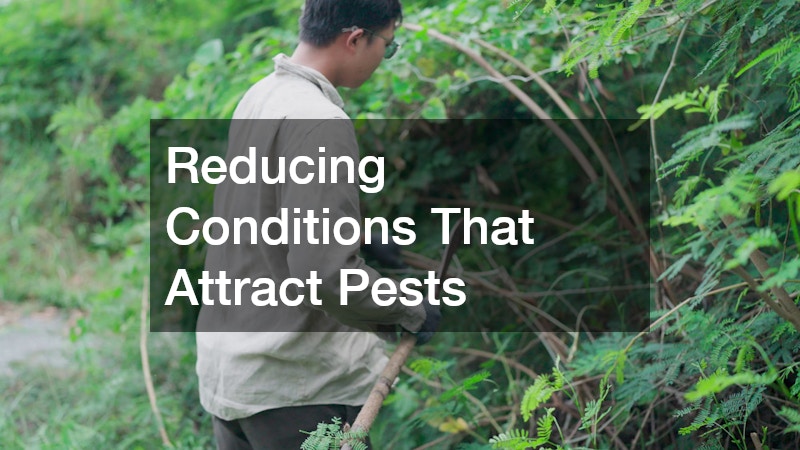
Outdoor conditions play a major role in whether pests are drawn to a property. Overgrown vegetation, fallen branches, and dense landscaping near the home can create shelter and access points for insects and animals. When these conditions are left unmanaged, they increase the likelihood of pests settling close to or inside the structure, often unnoticed until damage becomes apparent.
Moisture retention and shaded areas around the foundation can also contribute to infestation risks. Organic debris provides food sources and nesting materials, allowing pests to remain hidden while causing damage. Cluttered yards and unmanaged growth may also limit visibility, making it harder to detect early signs of activity. Addressing these environmental factors is an important step in protecting the home beyond interior repairs.
A tree service helps reduce pest attraction by trimming overhanging branches and clearing debris that provides access to the home. Proper maintenance limits contact with rooflines and improves airflow around the structure. Keeping vegetation controlled supports better visibility, reduces hiding spots, and helps create an environment that is less inviting to pests, lowering the risk of future damage.
Identifying Damage to Decorative Exterior Materials
Pests often target exterior materials that provide both shelter and concealment, especially decorative elements that include gaps, seams, or layered construction. Damage to these areas may appear cosmetic at first, such as chipped surfaces or small openings, but it can signal deeper issues beneath the exterior. When pests burrow or nest behind decorative materials, they may weaken the underlying structure over time.
Exterior finishes are designed to protect the home while contributing to its appearance. When pests compromise these materials, moisture intrusion and exposure become more likely. Swelling, separation, or discoloration can indicate that damage extends beyond the surface layer. Identifying these changes early helps prevent further deterioration and limits repair scope.
Metal board and batten siding services can address damage affecting decorative exterior systems. These services focus on restoring both protection and appearance by repairing or replacing compromised sections. Proper restoration helps seal entry points, reinforce durability, and maintain a consistent exterior look.
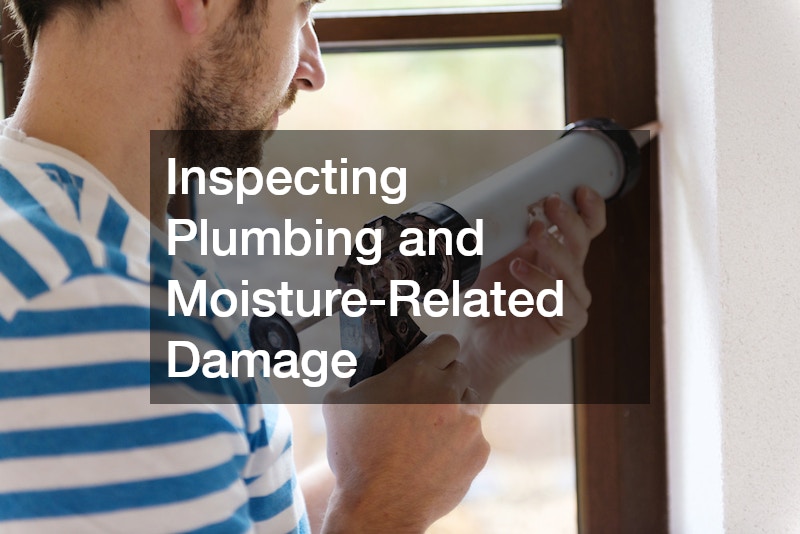
Inspecting Plumbing and Moisture-Related Damage
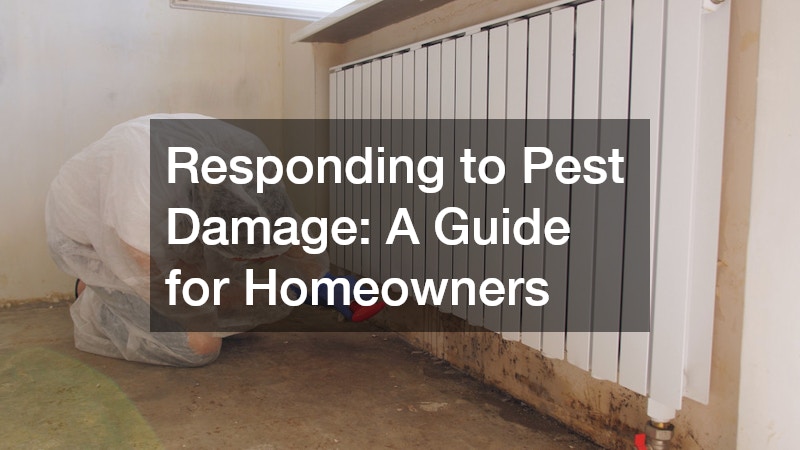
Pest damage is often closely tied to moisture, making plumbing systems an important area to inspect. Leaks, condensation, or slow drips can create damp conditions that attract pests and allow them to thrive unnoticed. Over time, moisture-related issues may weaken surrounding materials, promote mold growth, or cause wood to soften, increasing the extent of damage beyond the initial infestation.
Signs of plumbing-related damage may include water stains, musty odors, warped flooring, or unexplained increases in humidity. These issues can exist behind walls or beneath fixtures, making them easy to overlook. When moisture problems persist, they can contribute to recurring pest activity even after the original infestation has been addressed. Identifying and resolving these conditions is essential for long-term protection.
Plumbers can assess piping, fixtures, and drainage systems to identify leaks or moisture sources that contribute to pest damage. Their work helps restore proper water flow and eliminate conditions that allow pests to return. Addressing plumbing concerns promptly supports healthier indoor conditions and reduces the likelihood of ongoing damage tied to hidden moisture.
Restoring Walkways and Ground Surfaces
Ground-level damage is another common consequence of pest activity, particularly when burrowing animals or insects disturb soil beneath walkways and hardscapes. Uneven surfaces, shifting materials, or cracks can develop as pests move through the ground. These changes may create safety hazards and make outdoor areas less functional or visually appealing.
Damaged walkways can also worsen over time if left unaddressed. Water may pool in low areas, erosion can increase, and additional pests may take advantage of disturbed soil. Stable ground surfaces help direct water away from the home and reduce access points near the foundation. Restoring these areas supports both safety and overall property condition.
Paver services help repair and stabilize walkways affected by pest-related ground movement. Re-leveling surfaces and reinforcing underlying materials restores proper drainage and improves durability. Addressing ground-level damage helps prevent further disruption and supports a safer, more secure exterior environment around the home.
Improving Ground Cover to Deter Pests
Ground cover around the home plays a larger role in pest prevention than many homeowners realize. Bare soil, excessive moisture, or poorly maintained landscaping can create ideal conditions for insects and rodents to nest close to the structure. When pests have easy access to shelter near the foundation, they are more likely to move indoors and cause damage over time.
Choosing and maintaining appropriate ground cover helps reduce these risks. Proper spacing between landscaping materials and the home improves airflow and visibility, making it easier to spot early signs of pest activity. Well-managed ground cover also supports drainage, which limits moisture buildup that attracts insects. A balanced approach to landscaping helps create an exterior environment that is less inviting to pests while still supporting curb appeal.
Using mulch strategically can help regulate soil moisture and temperature when applied correctly. Keeping mulch layers thin and positioned away from direct contact with siding reduces hiding spots for pests. Thoughtful use of ground cover supports pest deterrence while maintaining a clean, well-kept exterior around the home.
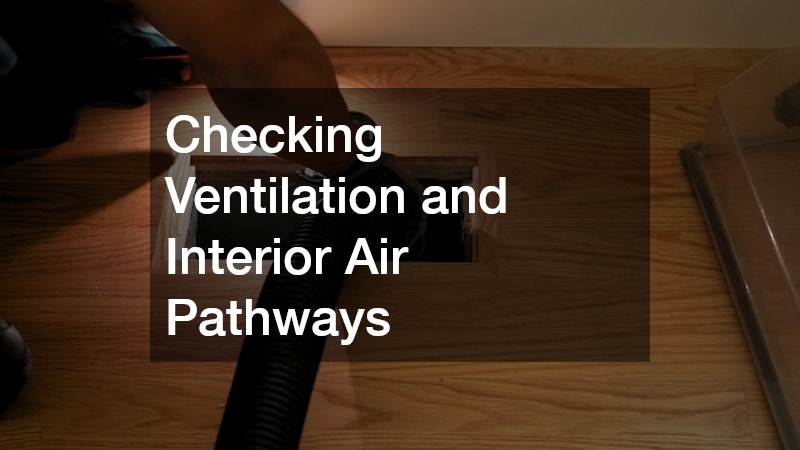
Checking Ventilation and Interior Air Pathways
Pest damage is not always limited to visible areas, as insects and rodents can travel through ventilation systems and interior air pathways. Ductwork, vents, and hidden air passages can provide access to multiple parts of the home if compromised. When pests enter these areas, they may leave behind debris, nesting materials, or contaminants that affect indoor air quality.
Signs of ventilation-related issues may include unusual odors, increased dust, or inconsistent airflow. These problems can persist even after visible pest damage is repaired, especially if contaminants remain inside the system. Addressing ventilation concerns is an important step in restoring a healthy indoor environment and preventing lingering effects from an infestation.
An air duct cleaner can help remove debris and contaminants left behind by pests within ventilation systems. Cleaning interior air pathways supports improved airflow and reduces the spread of allergens or particles throughout the home. Addressing these hidden areas helps complete the recovery process and supports long-term indoor comfort after pest damage has been resolved.
Responding to pest damage requires a thorough and methodical approach that goes beyond merely removing the pests themselves from the affected area. Pest infestations can be insidious and far-reaching, often leading to significant damage that can impact multiple areas of a home. It’s not uncommon for the pests to affect structural components, undermine moisture systems, and cause harm to exterior surfaces. Each of these areas plays a crucial role in the overall stability, efficiency, and aesthetic appeal of the home. Therefore, addressing each impacted area in a systematic manner is imperative to restore the safety, functionality, and long-term durability of the property. A detailed assessment and repair plan ensure that all potential vulnerabilities are mitigated.
By identifying damage at an early stage, homeowners can take prompt action in repairing the affected systems and reducing the conditions that attract pests in the first place. This proactive stance is essential in safeguarding the property from recurring issues. An all-encompassing response, which includes prevention and rehabilitation, helps limit the potential for future damage, preserving the home’s condition and supporting a healthier living environment. Proper timing and attention to pest control measures not only help maintain the home’s integrity but also contribute to the well-being of its occupants. Taking the time to address pest-related damage comprehensively enables homeowners to move forward with greater confidence and peace of mind.