
Kitchen and bathroom cabinets play a major role in how a home looks and functions. Over time, daily use, moisture, heat, and general wear can leave cabinets looking tired or outdated. When that happens, homeowners often face a big question: should the cabinets be replaced entirely, or can they be brought back to life? Understanding when cabinet restoration is worth the investment can save money, reduce waste, and preserve quality craftsmanship that newer cabinets may not match.
What Cabinet Restoration Really Means
Cabinet restoration focuses on improving the appearance and functionality of existing cabinets without removing them. This may include deep cleaning, repairing damaged areas, fixing loose hardware, sanding surfaces, repainting or refinishing, and applying protective coatings.
Unlike full replacement, restoration works with the original cabinet boxes and structure, making it a less invasive and often more affordable option.
The key factor is whether the cabinets are structurally sound. If the foundation is solid, many cosmetic issues can be addressed effectively through professional restoration techniques.
Signs Your Cabinets Can Be Saved
One of the easiest ways to tell if your cabinets are good candidates for restoration is to inspect their construction. Cabinets made from solid wood or high-quality plywood tend to hold up well over time. Even if the finish is worn or the color feels dated, the underlying material may still be in excellent shape.
Look closely for signs of surface-level damage rather than structural failure. Scratches, scuffs, faded finishes, chipped paint, or minor water stains are typically fixable. Loose hinges, misaligned doors, or squeaky drawers can also be repaired without replacing the entire cabinet system.
Another positive sign is when the cabinet layout still works for your needs. If the size, placement, and storage capacity are functional, restoring the cabinets can dramatically improve the look of the space without the cost and disruption of a full remodel.
When Restoration May Not Be the Best Choice
Not all cabinets can or should be restored. Extensive water damage is a major red flag. Cabinets that are swollen, warped, or soft to the touch may have compromised internal materials that cannot be repaired safely or effectively.
Mold growth inside cabinet boxes is another serious concern. While surface mold can sometimes be treated, deep contamination often requires removal for health and safety reasons. Similarly, cabinets made from low-quality particleboard that is crumbling or delaminating may not hold up well after restoration work.
If your cabinets were poorly installed or are significantly out of alignment due to structural issues in the home, replacement might be the more reliable long-term solution.
Cost Comparison: Restoration vs. Replacement
One of the biggest reasons homeowners explore restoration is cost. Replacing cabinets involves material costs, demolition, installation labor, and often additional expenses like new countertops or plumbing adjustments. Restoration typically costs a fraction of a full replacement while delivering a noticeable transformation.
Beyond the financial savings, restoration projects are usually completed faster and with less disruption. There is no need to tear out existing cabinetry, which means less dust, noise, and downtime in key areas like the kitchen.
From a sustainability standpoint, restoring cabinets also reduces landfill waste and limits the demand for new materials, making it a more environmentally responsible choice.
Aesthetic Results and Customization Options
Modern restoration techniques offer impressive visual results. Cabinets can be refinished to match current design trends, whether that means a clean white look, rich wood tones, or bold modern colors. Hardware can be updated to instantly change the cabinet style, and soft-close hinges or drawer slides can be added for improved functionality.
With skilled workmanship, restored cabinets can look nearly brand new while maintaining the character and quality of the original build. For many homeowners, this balance of old and new is a major advantage of cabinet restoration.
How to Make the Final Decision
To decide whether restoration is worth it, start with a thorough evaluation. Consider the cabinet material, level of damage, and how well the current layout serves your lifestyle. A professional assessment can help identify hidden issues and determine what repairs are feasible.
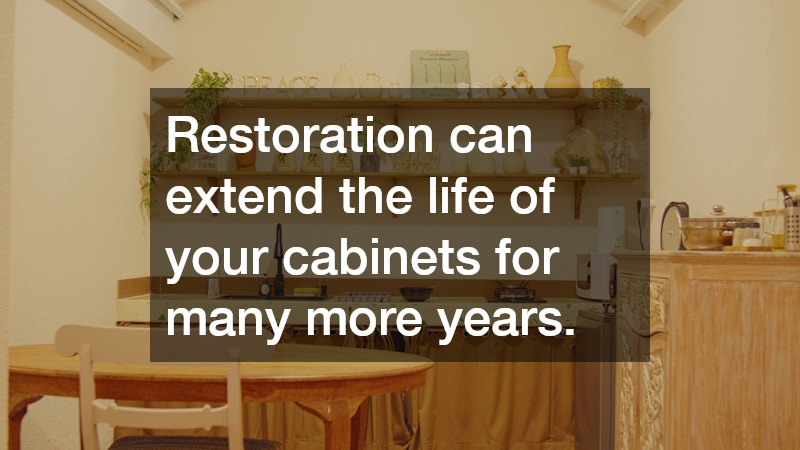
It’s also important to think about long-term goals. If you plan to sell your home soon, restoring cabinets can boost visual appeal and value without a major renovation budget. If you plan to stay long term, restoration can extend the life of your cabinets for many more years.
Is Cabinet Restoration Worth It?
In many cases, the answer is yes. When cabinets are structurally sound and the issues are mostly cosmetic, cabinet restoration offers a practical, cost-effective way to refresh your space. By carefully assessing the condition of your cabinets and weighing your budget and goals, you can make a confident decision that enhances both the beauty and function of your home.