

Managing one home repair project can feel demanding. Managing several at the same time can quickly become overwhelming without a clear plan. Many homeowners find themselves juggling roofing repairs, plumbing updates, flooring upgrades, exterior improvements, and interior finishing work all within the same season. While bundling projects can save time and reduce long-term disruption, poor coordination often leads to overlapping delays, repeated labor, and unnecessary stress. Without proper sequencing, contractors may arrive before another team has completed prerequisite work, materials may be delivered too early or too late, and finished surfaces may need to be reopened for additional adjustments.
The key to preventing these setbacks lies in understanding how different home systems connect and in carefully mapping out project dependencies. Roofing work may impact insulation and interior ceilings. Plumbing changes can affect flooring. Exterior paving might interfere with landscaping or drainage adjustments. When homeowners take the time to establish a master timeline, confirm contractor availability, and prioritize tasks in logical order, they create an environment where projects flow smoothly instead of colliding.
In this guide, we will explore practical strategies to coordinate multiple repair and upgrade efforts efficiently. By focusing on system sequencing, communication, and proactive scheduling, homeowners can complete significant improvements without the frustration of overlapping delays.
Planning Climate Control and Airflow Upgrades Strategically
When coordinating indoor comfort improvements, it is important to begin with a clear understanding of how heating, cooling, and airflow systems interact with structural elements. If you plan to work with local hvac services to replace or upgrade equipment, that project should be scheduled before major interior finishes are installed. HVAC replacements often involve duct modifications, electrical adjustments, or vent relocations. Completing these tasks after drywall repairs or new flooring installations can result in unnecessary rework and added disruption.
Another key consideration is insulation and sealing. If walls or attic spaces need access for equipment upgrades, this is the ideal time to assess insulation levels and ventilation flow. By bundling airflow improvements with mechanical replacements, homeowners prevent repeated entry into ceilings or wall cavities. Proper sequencing ensures that upgraded systems operate at peak efficiency without compromising newly finished surfaces.
Coordination also extends to thermostat placement, zoning adjustments, and system testing. Final inspections and airflow balancing should occur before painters or flooring installers complete their work. This prevents dust or vibration from affecting fresh finishes. Establishing a clear order—mechanical systems first, surface finishes later—allows climate control upgrades to enhance comfort without triggering avoidable project overlap.
Sequencing Plumbing and Drainage Improvements Effectively

Water systems require thoughtful coordination because plumbing work often affects multiple rooms simultaneously. If you are scheduling local drain cleaning as part of broader maintenance or repair efforts, consider whether pipe inspections, fixture replacements, or bathroom upgrades should occur at the same time. Drain cleaning may reveal aging pipes or partial blockages that require further attention. Addressing these issues proactively prevents the need to reopen walls after cosmetic upgrades are complete.
Kitchen and bathroom remodels frequently overlap with plumbing adjustments. It is wise to schedule pipe rerouting, valve replacements, and leak testing before installing cabinetry, tile, or flooring. Coordinating plumbing work early in the renovation sequence ensures that new materials are not disturbed later. This approach reduces the risk of water damage and avoids duplicate labor.
Homeowners should also evaluate exterior drainage while planning indoor plumbing upgrades. Poor yard grading or aging sewer connections can undermine interior improvements. By viewing water flow as a whole-property concern, you create a timeline that addresses hidden vulnerabilities first. Completing foundational plumbing tasks before visible finishes helps maintain structural integrity and eliminates unnecessary delays later in the process.
Organizing Roofing and Insulation Work in the Correct Order
Exterior structural work should generally precede interior upgrades. If your project includes residential roofing services, schedule this work before replacing attic insulation or refinishing ceilings. Roofing repairs may involve removing shingles, repairing decking, or adjusting flashing, which can introduce debris or moisture into attic spaces. Completing roof stabilization first protects all subsequent interior work.
Once the roof is secure, it is an ideal time to consult insulation companies about improving energy efficiency. Insulation upgrades are most effective when roofing systems are watertight and ventilation pathways are clearly defined. Coordinating these tasks ensures that insulation is not exposed to weather damage and that airflow remains balanced.
Additionally, roofing projects often require temporary staging areas and driveway access. By scheduling exterior structural work before landscaping or paving improvements, you prevent heavy equipment from damaging newly completed surfaces. Thoughtful sequencing of roof and insulation upgrades strengthens the home’s protective envelope and establishes a solid foundation for interior remodeling phases that follow.
Coordinating Exterior Hardscape and Surface Improvements

Outdoor upgrades such as blacktop paving or driveway resurfacing should be carefully timed around other exterior projects. Heavy equipment used for roofing, siding, or tree work can easily damage fresh pavement. Scheduling paving after major structural repairs prevents surface scarring and avoids costly touch-ups.
Similarly, decorative upgrades like stamped concrete or patio installation require stable soil conditions and completed utility adjustments. If underground plumbing or electrical lines need inspection or rerouting, these tasks must occur before hardscape surfaces are poured or set. Reopening finished concrete for repairs disrupts schedules and increases inconvenience.
Homeowners should also consider access routes for contractors. Exterior crews may need space for ladders, scaffolding, or material storage. Completing structural repairs first allows paving and decorative surfaces to serve as finishing touches rather than obstacles. Coordinating these projects in the proper sequence protects investments and ensures that each outdoor improvement enhances the next rather than interfering with it.
Aligning Interior Finishes and Surface Restoration
Interior surface upgrades require precise timing to avoid rework. For example, hardwood floor sanding should occur only after plumbing, HVAC, and structural adjustments are fully complete. Sanding creates fine dust that can infiltrate ducts or settle into wet paint, so it should be carefully scheduled before final cleaning and touch-ups.
Likewise, tile grout cleaning or tile replacement should follow plumbing inspections and leak testing. Addressing hidden water issues first ensures that restored surfaces remain intact and visually appealing. When homeowners complete structural and mechanical tasks before focusing on finishes, they minimize the chance of damaging completed work.
Coordinating paint application is another crucial step. Visiting a trusted paint store early in the planning process allows homeowners to select materials and confirm lead times. However, painting should generally be one of the final steps after dust-producing activities such as sanding or drilling are finished. Establishing a clean progression from structural repairs to surface refinements keeps interior upgrades aligned and prevents overlapping delays.
Strengthening Contractor Communication and Timeline Management

Clear communication is one of the most powerful tools homeowners have when coordinating multiple projects. Even the most carefully designed renovation schedule can fall apart if contractors are not aligned on timing, access, and expectations. When working with multiple trades simultaneously, it is essential to establish a single master calendar that outlines start dates, projected completion dates, inspection windows, and material delivery schedules. Sharing this document with every contractor ensures transparency and reduces the risk of one team arriving before another has completed prerequisite tasks. This level of visibility helps prevent idle labor time, miscommunication, and unnecessary rescheduling fees that can extend timelines.
In addition to maintaining a shared schedule, homeowners benefit from designating a primary point of contact for all communication. Whether this role is filled by a general contractor or by the homeowner directly, centralizing updates minimizes confusion. When questions arise about sequencing—such as whether flooring can begin before cabinetry is fully installed—having one person responsible for clarification keeps decisions consistent. Weekly progress check-ins, whether conducted in person or virtually, provide opportunities to review completed tasks and adjust timelines if needed. Proactive discussions allow teams to address minor setbacks before they evolve into overlapping delays.
Documentation also plays a key role in maintaining efficiency. Written change orders, updated material lists, and inspection confirmations ensure that everyone is operating from the same plan. When contractors clearly understand their place in the project sequence, they can coordinate deliveries, crew schedules, and equipment needs accordingly. Effective communication transforms what could be a chaotic series of independent jobs into a coordinated renovation strategy where each professional contributes to a seamless overall outcome.
Preparing for Inspections, Permits, and Material Lead Times
Many overlapping delays occur not because of contractor inefficiency, but because homeowners underestimate the importance of permits, inspections, and material lead times. Projects involving structural modifications, electrical upgrades, plumbing changes, or major mechanical systems often require municipal approvals. Scheduling inspections too late in the process can halt progress unexpectedly, forcing other trades to postpone their work. To prevent this, homeowners should confirm permit requirements early and build inspection dates directly into their master timeline. By anticipating these administrative steps, you avoid the frustration of completed work sitting idle while waiting for authorization to proceed.
Material procurement is another critical factor in preventing scheduling conflicts. Specialty flooring, cabinetry, fixtures, or custom-ordered items may require weeks to arrive. If installation crews are scheduled before materials are delivered, project momentum can stall. Homeowners should verify shipping timelines with suppliers and place orders well in advance of installation windows. Confirming availability prevents the domino effect that can occur when one delayed shipment pushes every subsequent task backward.
Managing Work Zones to Reduce Interference Between Trades
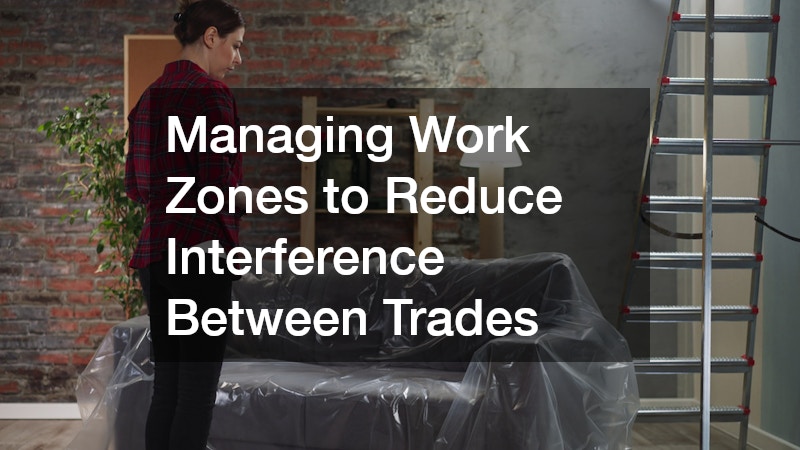
When several projects occur simultaneously, physical workspace management becomes essential. Contractors require room for tools, materials, and safe movement. Without designated work zones, trades can inadvertently interfere with one another, causing slowdowns and potential safety risks. Homeowners should identify staging areas for materials, equipment, and debris before construction begins. Clearly defined spaces allow crews to operate efficiently without blocking access points or disrupting adjacent tasks. This simple organizational step can significantly reduce overlapping delays caused by congestion or confusion.
Sequencing work by zone rather than by trade can also improve efficiency. For example, focusing on completing all mechanical and structural tasks in one section of the home before moving to another prevents scattered disruption throughout the property. Once a zone is fully cleared of plumbing, electrical, and framing adjustments, finishing trades such as flooring and painting can complete their work without concern for future interference. This approach creates a steady forward progression rather than a fragmented renovation where contractors repeatedly revisit the same areas.
Establishing a Logical Finish Order to Prevent Rework
The final stages of a renovation often determine whether delays will compound or resolve smoothly. Establishing a logical finish order is essential to protecting completed work. Generally, messy or dust-producing activities should occur before delicate installations. Tasks such as drywall sanding, framing adjustments, or equipment replacements should be completed prior to installing finished flooring, cabinetry, or decorative elements. When homeowners rush into cosmetic upgrades before structural tasks are finalized, they risk damaging new surfaces and triggering costly rework.
It is also important to allow adequate curing or settling time between phases. Concrete, grout, paint, and adhesives all require proper drying periods. Scheduling subsequent trades too quickly can compromise material integrity and lead to defects. Building realistic drying windows into the master schedule ensures that finishes perform as intended and do not require premature repairs. Patience during these transitional phases ultimately saves time by avoiding corrections later.
Final inspections and system testing should occur before the last cosmetic details are completed. Verifying that plumbing connections are leak-free, electrical systems are functioning properly, and climate control equipment is calibrated prevents surprises after walls are painted and floors are sealed. By confirming operational integrity first, homeowners can confidently proceed with decorative finishing touches. A carefully structured finish order acts as a safeguard against overlapping delays and preserves the quality of every completed upgrade.
Coordinating multiple repair and upgrade projects without overlapping delays requires more than simply booking contractors. It demands a strategic understanding of how systems interact and a commitment to sequencing tasks logically. Mechanical systems, roofing, plumbing, and structural adjustments should typically occur before cosmetic finishes. Exterior groundwork should wait until heavy equipment work is complete. Interior sanding, painting, and surface restoration should be reserved for final stages.
By developing a comprehensive master schedule, homeowners can identify project dependencies and avoid unnecessary disruptions. Clear communication with contractors ensures that each team understands when their work begins and how it connects to other phases. Establishing contingency time for inspections, material deliveries, and weather-related adjustments further strengthens the timeline.
Ultimately, successful coordination transforms complex renovation plans into manageable, efficient processes. Instead of facing repeated delays or rework, homeowners who prioritize sequencing and communication experience smoother transitions between phases. With thoughtful planning and careful oversight, even extensive repair and upgrade efforts can be completed efficiently, preserving both the home’s integrity and the homeowner’s peace of mind.