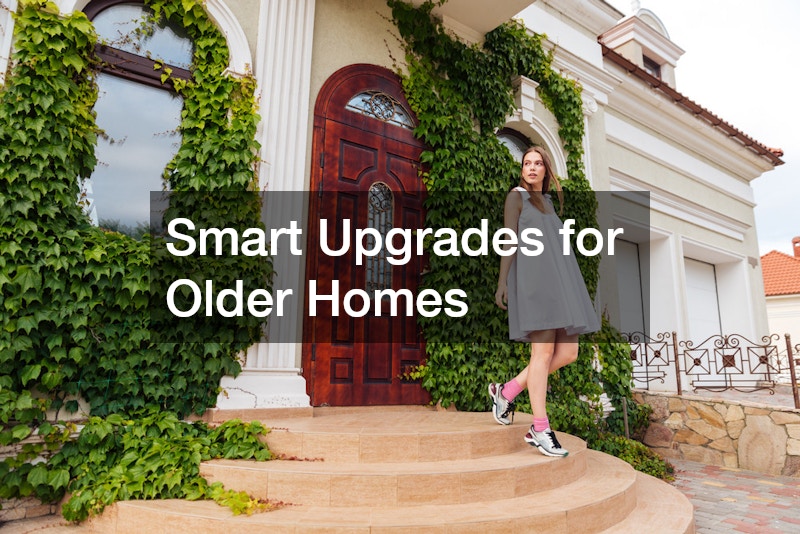
Older homes offer a level of craftsmanship and architectural character that is difficult to replicate in modern construction. From intricate woodwork to solid materials, these properties often come with a sense of history and individuality. However, they can also present challenges when it comes to efficiency, comfort, and functionality. Upgrading an older home requires a strategic approach that enhances performance while preserving its original appeal. With thoughtful improvements, homeowners can strike a balance between modern convenience and timeless design.
Improving Energy Efficiency in an Older Home
Insulation Improvements
One of the most effective ways to improve energy efficiency in an older home is by upgrading insulation. Many older properties were built with minimal or outdated insulation, leading to significant heat loss in the winter and heat gain in the summer. Adding insulation to attics, walls, and crawl spaces can dramatically improve temperature regulation and reduce energy bills.
Blown-in cellulose or spray foam insulation are popular choices because they can be installed without extensive demolition. These materials fill gaps and create a more consistent thermal barrier. In addition to reducing utility costs, proper insulation also enhances indoor comfort by minimizing drafts and temperature fluctuations.
Window and Door Upgrades
Windows and doors are common sources of energy loss in older homes. Drafty frames, single-pane glass, and worn seals allow conditioned air to escape and outdoor air to enter. Replacing these with energy-efficient alternatives can make a noticeable difference.
Modern double- or triple-pane windows with low-emissivity coatings improve insulation while maintaining the home’s aesthetic. For homeowners who want to preserve original windows, options like weatherstripping and storm windows can offer improvements without full replacement. Similarly, upgrading doors or reinforcing seals helps prevent air leaks and contributes to overall efficiency.
Efficient Lighting Options
Lighting is another area where small changes can yield meaningful savings. Older homes often rely on outdated fixtures and incandescent bulbs that consume more electricity than necessary. Switching to LED lighting provides immediate benefits, including lower energy usage and longer bulb lifespan.
In addition to bulb replacement, updating fixtures can improve both functionality and design. Thoughtfully placed lighting enhances visibility and highlights architectural features, making the home feel more inviting while reducing ongoing energy costs.
Cost-Effective Modernization Ideas for an Older Home
Kitchen Renovation Tips
The kitchen is often the focal point of a home, and updating it does not always require a full renovation. Cabinet refacing is a cost-effective alternative to replacement, allowing homeowners to refresh the look without the expense of new cabinetry. Pairing updated cabinet fronts with modern hardware can create a significant visual impact.
Upgrading appliances to energy-efficient models also improves functionality while lowering utility bills. Even smaller changes, such as installing a new backsplash or replacing outdated countertops, can modernize the space without exceeding budget constraints.
Bathroom Makeover Solutions
Bathrooms in older homes can feel cramped or outdated, but targeted upgrades can transform these spaces efficiently. Replacing fixtures such as faucets, showerheads, and toilets improves both aesthetics and water efficiency. Modern designs often use less water without sacrificing performance.
Reconfiguring layouts, when feasible, can also maximize space. For example, replacing a bulky vanity with a streamlined option or adding open shelving can create a more functional and visually appealing environment. Updated lighting and mirrors further enhance the sense of space and usability.
Maintaining the Character of an Older Home While Upgrading
Restoring Original Features
Preserving original features is key to maintaining the charm of an older home. Elements such as crown molding, built-in cabinetry, and decorative trim contribute to its unique identity. Whenever possible, these features should be restored rather than replaced.
Careful restoration not only enhances visual appeal but also maintains the home’s historical value. This approach allows homeowners to modernize functionality while keeping the details that make the property distinctive.
Choosing Compatible Materials
When making updates, selecting materials that align with the home’s original style is essential. For example, using wood finishes that match existing tones or choosing tile patterns that reflect the era helps create a cohesive look. Inconsistent materials can disrupt the visual harmony and diminish the home’s character.
Blending old and new requires attention to detail. Thoughtful material choices ensure that upgrades feel intentional and integrated rather than out of place.
Integrating Modern Technology
Modern technology can significantly improve convenience and efficiency, but it should be incorporated in a way that does not detract from the home’s aesthetic. Smart thermostats, updated electrical systems, and improved plumbing can all be installed discreetly.
In some cases, upgrades may also involve addressing hidden or outdated infrastructure. For instance, older properties may still have underground oil tanks that require inspection or removal to meet current safety standards. Handling these updates proactively ensures the home remains safe and compliant while supporting long-term value.
Upgrading an older home is a process that benefits from careful planning and a balanced perspective. By focusing on energy efficiency, cost-effective improvements, and preservation of original features, homeowners can create a space that meets modern expectations without losing its character. Strategic updates not only enhance comfort and functionality but also protect the home’s long-term value. With the right approach, older homes can offer the best of both worlds: timeless appeal and contemporary performance.