When hiring a roofing contractor, experience is a critical factor to consider. Experienced contractors have not only mastered their craft, but they are also more likely to foresee potential issues and provide effective solutions. It’s important to look into how long a contractor has been in business, as a longer track record can be an indicator of reliability and skill.
Additionally, an experienced roofing contractor should have a wealth of references and reviews that speak to their past work. Checking these reviews and even speaking to past clients can give you valuable insights into the quality and reliability of the contractor.
It’s also beneficial to check if the contractor is a member of any professional roofing associations. Membership in associations like the National Roofing Contractors Association can indicate that the contractor is committed to adhering to industry standards and continuously improving their craft. Professional affiliations often require contractors to maintain a certain level of quality and education, which can be reassuring for potential clients. These organizations may provide additional reviews or ratings, offering you a broader perspective on the contractor’s standing. Ultimately, a roofing contractor’s experience and reputation are foundational elements to evaluate when considering who to hire for your roofing needs.
Licensing and Insurance
A crucial step in hiring a roofing contractor is confirming that they are properly licensed and insured. A valid license indicates that the contractor has met the necessary state or local requirements to perform roofing work legally. This can involve passing exams or demonstrating a level of expertise in roofing. Licensing also helps ensure that contractors adhere to safety codes and regulations, protecting you from substandard work. While licensing requirements vary by state, a reputable roofing contractor should provide evidence of their license when asked.
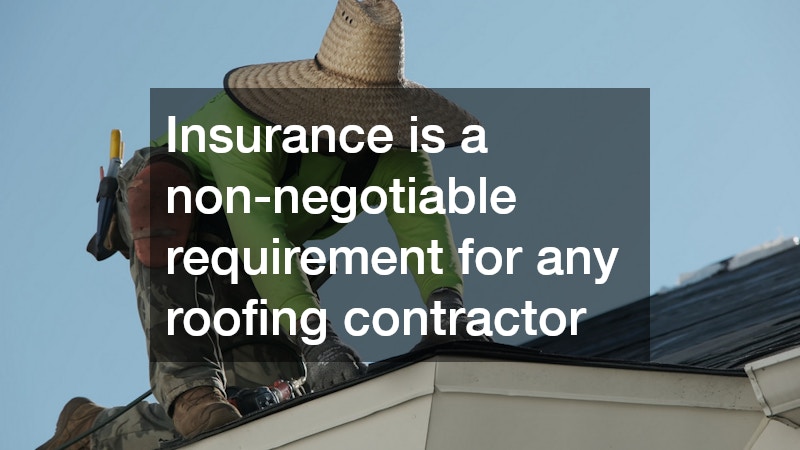
Insurance is another non-negotiable requirement for any roofing contractor. Proper insurance protects both the contractor and the homeowner from potential liabilities associated with roofing work. This includes general liability insurance, which covers property damage and injury, and workers’ compensation insurance, which protects against injuries sustained by crew members. Failing to verify a contractor’s insurance can leave homeowners exposed to significant financial risk should an accident occur on their property. Always request proof of insurance and verify the coverage is current before commencing any work.
Additionally, ask the contractor about warranties on both the materials used and the workmanship itself. Reputable contractors should offer warranties that guarantee the quality of their work and the durability of the materials. A solid warranty serves as an extra layer of assurance and demonstrates the contractor’s confidence in their work. Be sure to understand the terms and conditions of any warranties offered and how they apply to your specific project. Licensing, insurance, and warranties are critical components in evaluating a roofing contractor’s credibility and reliability.
Communication and Transparency
Effective communication is key to any successful roofing project, and it starts with the initial consultation. A professional roofing contractor should be responsive, attentive, and willing to listen to your concerns and desires from the outset. They should offer clear explanations of the scope of work, timelines, and expected outcomes. Transparency in these early conversations sets the tone for the remainder of the project and helps build trust between the homeowner and contractor. A contractor unwilling to provide straightforward information may struggle with openness throughout the project.
Throughout the roofing process, maintaining open lines of communication is vital. A trustworthy contractor will keep you updated on progress and inform you of any challenges or changes required. They should be available to answer questions and address any arising issues promptly and professionally. This openness not only smoothens the project but also provides peace of mind to homeowners, knowing that they are informed participants in the process. Honesty, transparency, and consistent communication are hallmarks of a reliable roofing contractor.
Price and Value
While cost is a significant factor in hiring a roofing contractor, it should not be the sole determinant. The cheapest option may not always provide the best value, as lower prices might reflect compromises in materials, workmanship, or even the legitimacy of the business. To assess value effectively, gather multiple quotes and compare them in terms of what they include. It’s important to analyze these estimates comprehensively, looking beyond the price to evaluate scope, quality, and service guarantees.
A reputable roofing contractor will strive to provide value that justifies their pricing through the quality of their materials and the longevity of their installations. Consider the quality of materials offered in each estimate and prioritize those using durable and reliable products. A higher upfront cost can ultimately save money in the long run by reducing the need for repairs or premature replacements. Additionally, an exceptional contractor should highlight the long-term benefits that justify their pricing during your initial discussions.
Value is further reflected in the contractor’s commitment to completing the job efficiently and professionally. Investing in a contractor with a proven track record who follows through on timelines without cutting corners is worth more than any initial savings from opting for a cheaper alternative. Ensure that the contractor respects your budget while demonstrating their dedication to craftsmanship and service. Ultimately, choosing a roofing contractor requires balancing the cost with the overall value offered, keeping in mind that superior quality often warrants a larger initial investment.