

Renovating a kitchen or finally replacing that outdated bathroom can feel like the fun part of homeownership, but contractors often find more than they bargained for once the walls come down. Old electrical wiring, hidden water damage, and aging systems have a way of staying invisible until a major project forces them into the open. Knowing what tends to surface during big upgrades can help you budget realistically and avoid unpleasant surprises mid-project. This guide walks through the most common hidden issues that big home upgrades tend to expose, and what you should do about them.
Outdated Electrical Panels During Kitchen Remodels
Kitchen remodels are famous for exposing electrical problems that homeowners never knew they had. Adding modern appliances, under-cabinet lighting, and dedicated circuits for microwaves or induction cooktops puts new demands on a panel that may have been installed decades ago. Many older homes still run on 60 or 100 amp service, which simply cannot support the load of a modern kitchen plus the rest of the house.
Electricians frequently discover aluminum wiring, missing grounds, or double-tapped breakers once they open up a wall for a remodel. These issues are not cosmetic; they are safety hazards that need correction before any new wiring is connected. If your contractor flags panel concerns, treat it as a priority rather than an optional upgrade.
- Signs your panel may be outdated include frequent breaker trips and flickering lights
- Fuse boxes are a major red flag for insurance companies and resale value
- Federal Pacific and Zinsco panels are known fire risks still found in older homes
- A licensed electrician should evaluate panel capacity before remodel work begins
Hidden Plumbing Failures Behind Bathroom Walls
Bathroom renovations almost always involve opening up walls or floors, and that is usually when old plumbing problems finally reveal themselves. Corroded supply lines, slow leaks behind tile, and failing wax rings around toilets can cause water damage that homeowners never noticed because it was hidden from view. By the time a contractor removes a vanity or tub surround, soft subfloor or mold growth is often already present.
One component that frequently gets attention during a bathroom overhaul is the water heater, especially if it shares space in a nearby closet or utility area. Years of sediment buildup or a slow leak at the tank can go unnoticed until a renovation crew is working nearby and spots rust stains or pooling water. Scheduling water heater repair at the same time as your bathroom project can save you from tearing into finished walls again a year later.
- Watch for discoloration, soft spots, or a musty smell around tubs and showers
- Galvanized pipes are prone to internal corrosion that restricts water flow
- Shutoff valves that no longer turn easily may need replacement during the project
- Combining plumbing fixes with cosmetic work reduces long-term labor costs
Structural Surprises Found During Room Additions
Adding a room or bumping out an existing space requires opening up the foundation, framing, or roofline, which is exactly where structural issues like to hide. Contractors sometimes find undersized joists, water-damaged sill plates, or foundation cracks that were never visible from inside a finished room. These discoveries can shift both the timeline and budget of a project significantly.
It helps to ask your contractor for a structural assessment before finalizing plans, especially in homes built before modern building codes were standardized. Addressing these problems early, rather than after drywall is hung, prevents much costlier repairs down the road.
- Older homes may have undersized support beams relative to current code requirements
- Termite or water damage in framing is often discovered during demolition
- Foundation settling can cause misaligned doors and windows throughout a home
- A pre-renovation inspection can catch major issues before contracts are signed
Roof Condition Uncovered During Solar Panel Installation
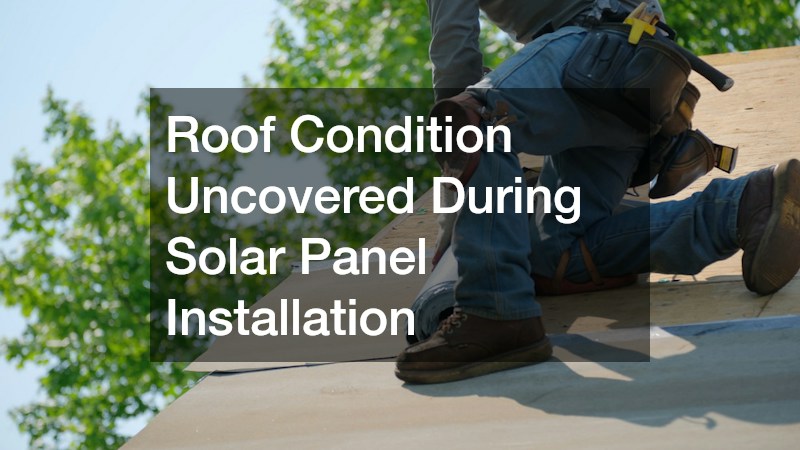
Installing solar panels is one of the quickest ways to learn that your roof is in worse shape than you thought. Solar installers typically require a roof inspection before mounting panels, since the equipment is expected to last 20 to 25 years and nobody wants to remove panels later for repairs. This process often reveals curling shingles, worn flashing, or deteriorating decking that homeowners had no idea existed.
If your roof is already past the midpoint of its expected lifespan, many roofing companies will recommend handling repairs or a full roof replacement before the solar installation moves forward. Pairing these projects together, rather than tackling them separately, often saves money since scaffolding and labor overlap.
- Asphalt shingle roofs typically last 20 to 25 years before needing replacement
- Sagging rooflines or granule loss in gutters are signs of aging shingles
- Flashing around chimneys and vents is a common source of hidden leaks
- Installing solar on a roof nearing the end of its life can void warranties
Insulation and Ventilation Gaps Found During Attic Conversions
Converting an attic into a livable space or finishing it for storage often exposes insulation and ventilation problems that were easy to ignore when the space was unused. Homeowners frequently discover inadequate insulation, blocked soffit vents, or signs of moisture buildup from poor airflow. These issues not only affect comfort but can lead to mold growth and higher energy bills if left unaddressed.
Proper ventilation keeps temperature and moisture balanced between the attic and the rest of the home, which protects both the roof structure and indoor air quality. A contractor working on an attic conversion should always check baffles, ridge vents, and insulation depth before finishing walls or flooring.
- R-38 to R-60 insulation is typically recommended for attics in colder climates
- Poor ventilation can shorten the lifespan of roofing materials significantly
- Signs of past moisture problems include dark staining on rafters or sheathing
- Adding insulation without addressing airflow can trap moisture and worsen damage
Big home upgrades have a way of uncovering problems that have been quietly developing for years, but finding them is actually good news if it happens before they get worse. The key is working with qualified professionals who inspect thoroughly rather than just completing the cosmetic work you originally requested. Budgeting a contingency fund of 10 to 20 percent for unexpected repairs is a smart habit for any major renovation. With the right planning, these hidden discoveries become opportunities to fix problems properly rather than costly emergencies down the road.