Key Takeaways
- Many serious home risks develop silently behind walls, under floors, or in hidden systems, making them difficult to detect without a structured inspection process. These unseen issues often worsen over time before visible damage appears.
- Electrical systems are one of the most critical safety concerns, as outdated wiring, overloaded circuits, and faulty installations can significantly increase fire risk and energy inefficiency.
- Structural components like foundations and roofs can deteriorate gradually due to environmental stress, leading to cracks, shifting, leaks, and long-term stability problems if not addressed early.
- Moisture-related problems such as plumbing leaks, poor ventilation, and mold growth can spread unnoticed, weakening building materials and negatively affecting indoor air quality and health.
- Pest infestations often go undetected in early stages but can cause serious structural damage by weakening wood, insulation, and even electrical wiring within the home.
- Everyday living areas like stairs, floors, and railings can become hazardous over time due to wear and tear, increasing the risk of slips, trips, and falls if not regularly checked.
- Hidden storage risks involving chemicals and flammable materials can create safety hazards, especially when items are improperly labeled, expired, or stored near heat sources.
A home can appear perfectly safe on the outside while quietly developing risks that compromise its structure, systems, and livability. Many of these issues are not immediately visible, which is why they are often discovered only after they have already caused damage or safety concerns. A structured home safety assessment helps uncover these hidden problems early, allowing homeowners to take corrective action before they escalate.
By evaluating everything from electrical systems to moisture control and structural stability, a comprehensive assessment provides a clearer picture of a home’s overall condition. It goes beyond surface-level maintenance and focuses on underlying risks that may not be obvious during everyday living. Understanding these hidden hazards is essential for protecting both property value and household safety.
1. Could Faulty Electrical Wiring Be Hiding Behind Your Walls?
A home safety assessment often prioritizes electrical systems because they are one of the most dangerous yet least visible sources of risk. Faulty wiring can exist behind walls, ceilings, and floors for years without detection, slowly increasing the likelihood of electrical fires, appliance damage, or power failures. Many homes still contain outdated or poorly installed wiring that no longer meets modern safety standards.
What makes electrical hazards particularly concerning is that they often show subtle early warning signs that are easy to dismiss. A proper assessment identifies these risks before they become emergencies, ensuring the home remains safe and compliant with current electrical codes.
Beyond the obvious dangers, electrical inefficiencies can also increase energy consumption and utility costs. Hidden wiring issues may cause circuits to work harder than necessary, leading to overheating and reduced appliance lifespan.
Additional insights often revealed include:
- Overloaded circuits that cannot safely support modern appliance usage.
- Outdated fuse boxes that lack proper grounding or surge protection.
- Improper DIY electrical modifications that bypass safety protocols.
Addressing these issues early prevents long-term damage and significantly reduces fire risk.
2. Is Your Home’s Foundation Quietly Weakening Over Time?
The foundation is the backbone of any home, yet it is one of the least frequently inspected areas without a formal safety assessment. Over time, natural soil movement, moisture exposure, and structural stress can cause gradual weakening that is not immediately noticeable. These changes often begin subtly and worsen slowly, making early detection critical.
A home safety assessment examines the foundation for signs of instability, shifting, or water intrusion that could compromise the entire structure. Even small issues can escalate into major structural repairs if ignored for too long.
Foundation problems can also affect other parts of the home. Walls may begin to crack, doors may no longer close properly, and flooring may become uneven. These symptoms are often mistakenly attributed to normal aging rather than structural movement.
Key issues that may be uncovered include:
- Soil erosion beneath the foundation reducing structural support.
- Poor drainage systems allowing water to accumulate near the base of the home.
- Hairline cracks that expand over time due to seasonal temperature changes.
Early intervention helps preserve structural integrity and avoids costly reconstruction work later.
3. Are Plumbing Leaks Damaging Your Home Without You Knowing?
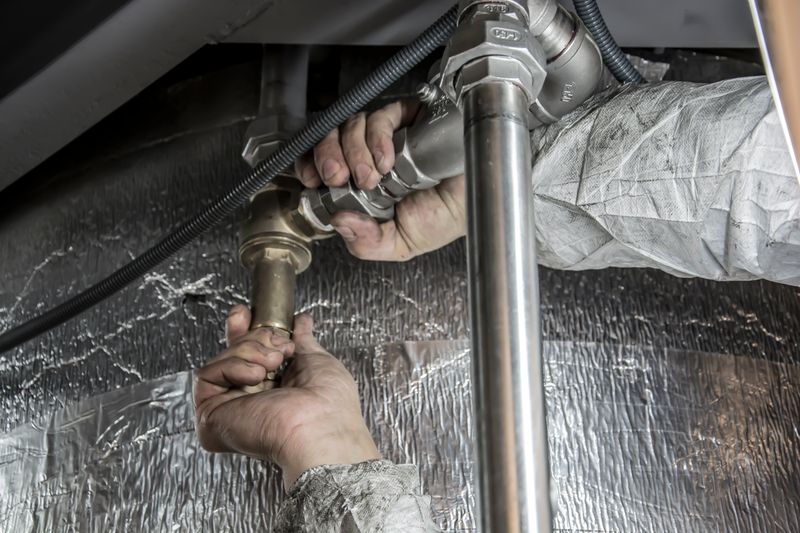
Plumbing systems are often hidden behind walls, under floors, and within ceilings, making leaks difficult to detect without a detailed inspection. A home safety assessment helps uncover these hidden issues before they lead to significant water damage, mold growth, or structural weakening.
Even minor leaks can gradually saturate surrounding materials, causing long-term deterioration. Over time, this moisture can compromise drywall, flooring, insulation, and even electrical systems if water spreads to unintended areas.
One of the biggest challenges with plumbing issues is that they often go unnoticed until visible damage appears. By that stage, repairs are usually more extensive and expensive.
A thorough assessment may reveal:
- Slow leaks in pipes hidden behind bathroom or kitchen walls.
- Corrosion in aging plumbing systems that increases the risk of bursts.
- Improper pipe installation that leads to recurring moisture buildup.
Early detection ensures that small repairs remain manageable and prevents widespread damage throughout the home.
4. Could Poor Ventilation Be Affecting Indoor Air Quality?
Indoor air quality plays a significant role in both comfort and health, yet it is often overlooked during routine home maintenance. A home safety assessment evaluates how well air circulates throughout the property and whether moisture or pollutants are being properly controlled.
Poor ventilation can trap humidity, dust, allergens, and airborne chemicals inside the home. Over time, this can create an unhealthy living environment and increase the risk of respiratory issues.
Homes with inadequate airflow often feel stale or damp, especially in enclosed spaces like bathrooms, kitchens, and basements. These conditions can also accelerate mold growth and material deterioration.
Common findings include:
- Blocked vents that restrict airflow between rooms.
- Inefficient exhaust systems in kitchens and bathrooms.
- Poorly sealed windows that prevent proper air exchange.
Improving ventilation supports both health and long-term structural preservation.
5. Are Fire Hazards Hidden in Your Kitchen or Living Spaces?
Fire hazards are not always dramatic or obvious; in many cases, they develop slowly through everyday household activities. A home safety assessment identifies potential ignition sources and evaluates whether fire prevention measures are sufficient.
Kitchens are particularly high-risk areas due to the combination of heat, electricity, and flammable materials. However, living rooms, bedrooms, and utility spaces can also contain overlooked fire risks.
Many homeowners underestimate how quickly small issues can escalate into dangerous situations. Overloaded circuits, unattended appliances, and poor storage practices all contribute to fire risk.
Common hazards include:
- Accumulated grease near cooking appliances that increases flammability.
- Extension cords used as permanent wiring solutions.
- Heating devices placed too close to curtains, furniture, or paper materials.
A detailed assessment helps reduce fire risks and improves emergency preparedness throughout the home.
6. Is Mold Growing in Hidden Corners of Your Home?
Mold is one of the most persistent and underestimated home hazards. It often develops in hidden areas where moisture is present but not easily visible. A home safety assessment helps locate these problem areas before mold spreads and affects both health and structural integrity.
Bathrooms, basements, and laundry areas are common hotspots, but mold can also grow behind walls, under flooring, and inside ventilation systems. Once established, it can be difficult to eliminate without addressing the underlying moisture source.
Mold exposure can lead to respiratory issues, allergic reactions, and long-term discomfort, especially in sensitive individuals. It also weakens building materials over time.
Typical contributing factors include:
- Poor sealing around windows and plumbing fixtures.
- Inadequate ventilation in moisture-prone rooms.
- Water leaks that remain undetected for extended periods.
One of the most overlooked causes of indoor mold is neglecting essential home maintenance tasks, such as cleaning drainage systems, inspecting roofing, and ensuring proper sealing around windows and doors. Addressing moisture issues early prevents widespread contamination and costly remediation work.
7. Are Pest Infestations Damaging Your Home’s Structure?
Pests can cause significant structural damage long before they are visible to homeowners. A home safety assessment is designed to detect early indicators of infestation that might otherwise go unnoticed until severe damage has already occurred.
Termites, rodents, and insects often target wood, insulation, and wiring, gradually weakening essential parts of the home. Because these activities usually take place in hidden areas like attics, crawl spaces, and wall cavities, early detection is crucial.
Infestations can also pose health risks through contamination of food sources and living spaces. In many cases, homeowners only become aware of the problem once damage is already extensive.
Common warning signs include:
- Discarded wings or droppings near wooden structures.
- Hollow or weakened wood surfaces that indicate internal damage.
- Chewed wiring or insulation that increases fire risk.
In some cases, early signs of pest damage are only visible during a detailed inspection of attics, basements, or crawl spaces. Addressing pest issues quickly helps protect both the structure and the health of occupants.
8. Could Your Roof Be Slowly Failing Without Visible Leaks?
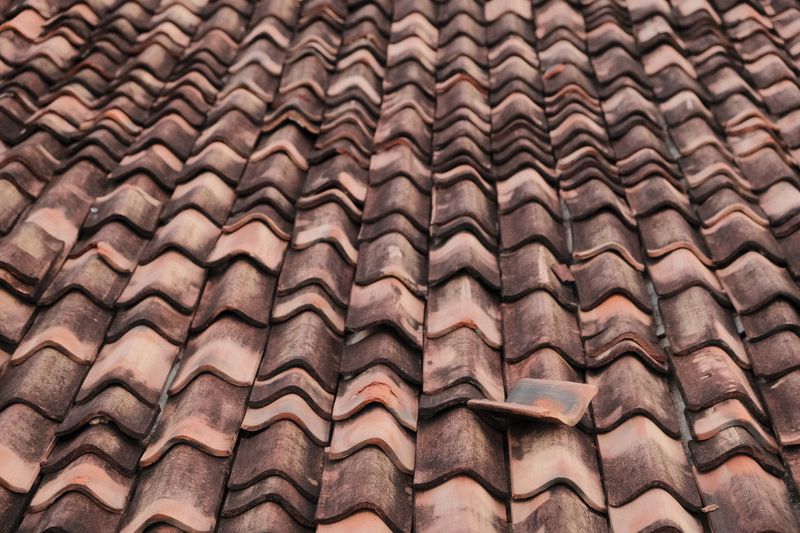
Roof problems often develop gradually and remain unnoticed until significant damage occurs. A home safety assessment evaluates roofing materials, drainage systems, and structural integrity to identify early warning signs of deterioration.
Even without visible leaks, roofs can suffer from aging materials, weather exposure, and poor maintenance. Over time, these issues can lead to water intrusion and internal damage.
Roof failures are particularly dangerous because they can affect insulation, ceilings, and electrical systems inside the home.
Key concerns often identified include:
- Deteriorating shingles that no longer provide proper protection.
- Blocked gutters that cause water to pool and seep into roofing layers.
- Subtle sagging that indicates structural weakening beneath the surface.
Regular inspections help extend roof lifespan and prevent costly emergency repairs.
9. Are Stairs, Railings, and Floors Safe for Daily Use?
Interior movement areas such as stairs, hallways, and flooring play a major role in everyday safety. A home safety assessment evaluates these areas to ensure they remain secure, stable, and free from hazards that could lead to falls or injuries.
Wear and tear naturally occur over time, especially in high-traffic areas. Without regular inspection, these issues can become dangerous, particularly for children and elderly residents.
Even minor structural looseness can create significant safety risks if left unaddressed.
Common issues include:
- Loose or unstable railings that reduce support on staircases.
- Worn or uneven flooring surfaces that increase tripping hazards.
- Poor lighting in stairways or hallways that limits visibility.
Maintaining these areas ensures safer movement throughout the home.
10. Are Hidden Chemical or Storage Risks Present in Your Home?
Many households store chemicals, cleaning agents, and flammable materials in garages, basements, or utility rooms without proper organization. A home safety assessment evaluates whether these items are stored safely and in accordance with best practices.
Improper storage can lead to accidental exposure, fire hazards, or environmental contamination. These risks are often overlooked because they do not present immediate, visible danger.
Over time, stored chemicals may also degrade or leak, creating additional hazards within enclosed spaces.
Common concerns include:
- Unlabeled containers that make hazardous materials difficult to identify.
- Flammable substances stored near heat sources or electrical equipment.
- Old chemicals that have expired but remain in storage.
Proper organization significantly reduces long-term safety risks.
Conclusion
Hidden hazards in a home often develop quietly, making them difficult to detect without a structured evaluation process. From electrical risks and plumbing leaks to structural weaknesses and fire hazards, these issues can significantly impact both safety and property value if left unchecked. A comprehensive home safety assessment helps uncover these problems early, allowing homeowners to take corrective action before they escalate.
By understanding and addressing these hidden risks, homeowners can create safer, more efficient, and more resilient living environments. Regular assessments combined with proactive maintenance ensure that potential dangers are managed effectively, protecting both the home and the people who live in it.